How to Achieve Consistent Cap Color Across Multi-Cavity Molds
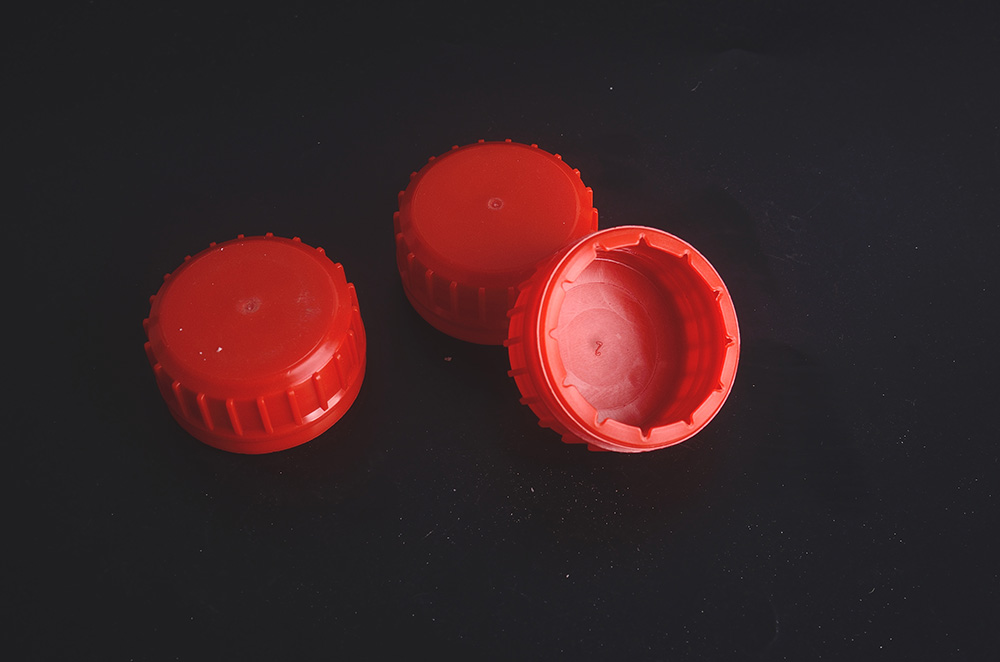
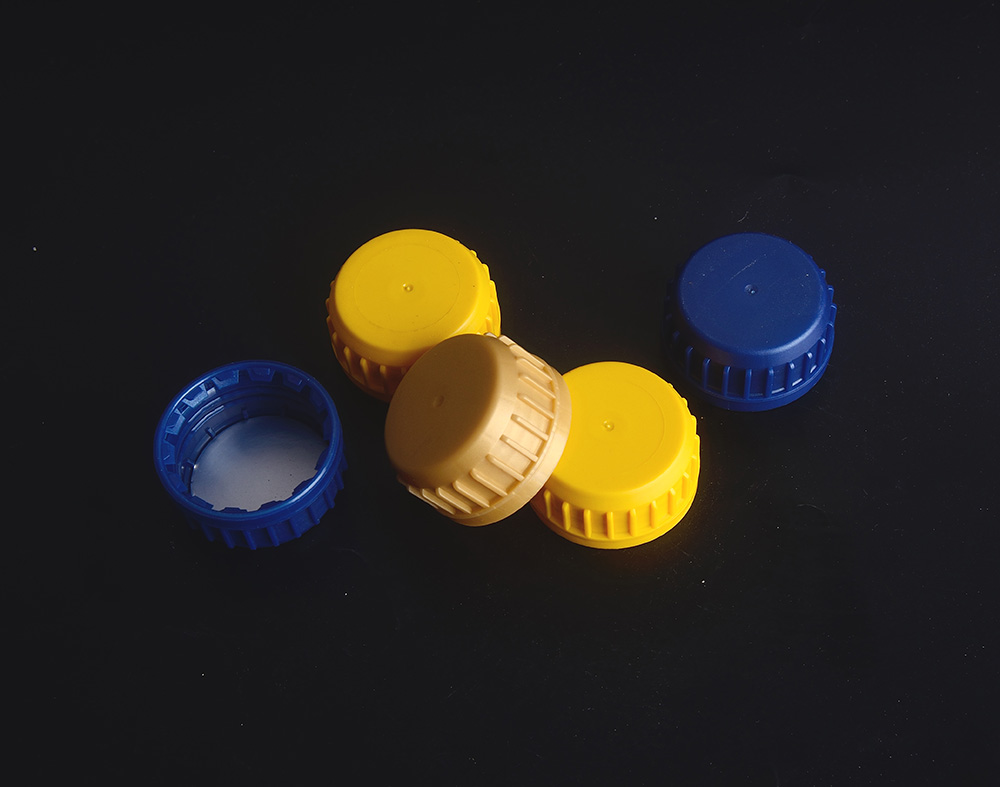
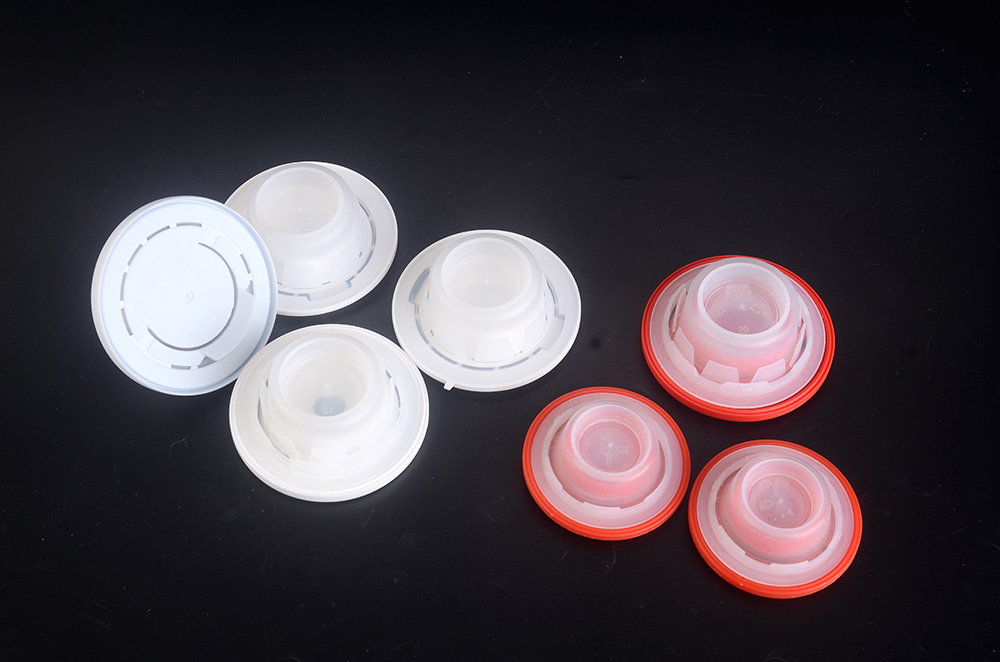
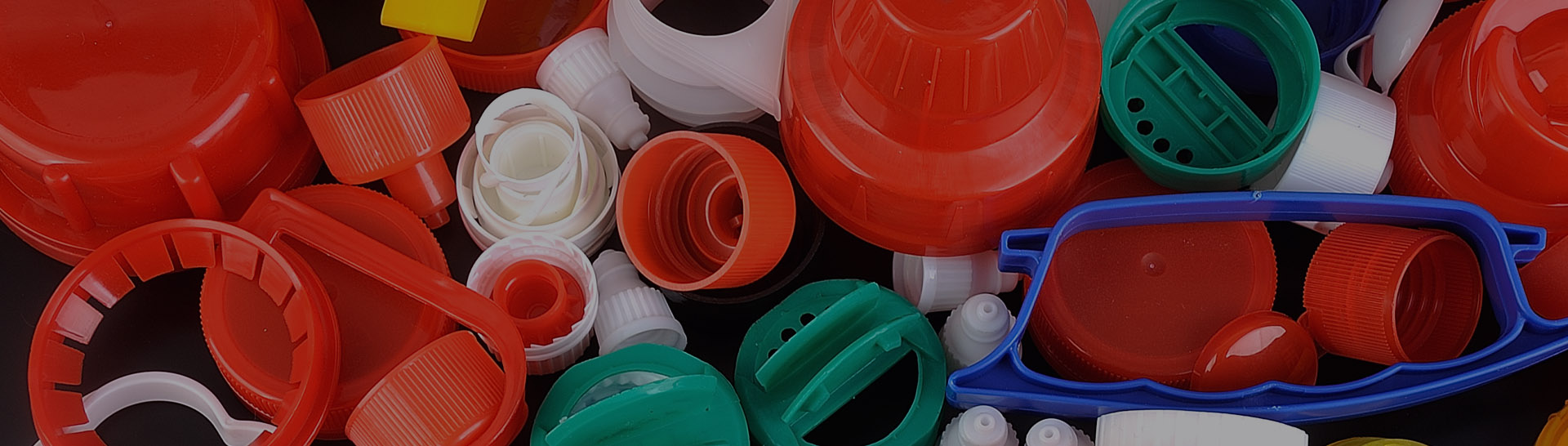
For bottle cap manufacturers, color consistency is not merely an aesthetic concern. It is a brand promise. When a consumer picks up a bottle of water, soda, or juice, the cap color must match their expectation. It must be uniform from bottle to bottle, from case to case, from batch to batch.
Color variation—even slight variation—signals poor quality. It suggests that something is wrong, even if the cap functions perfectly. In branded packaging, color consistency is as important as sealing performance.
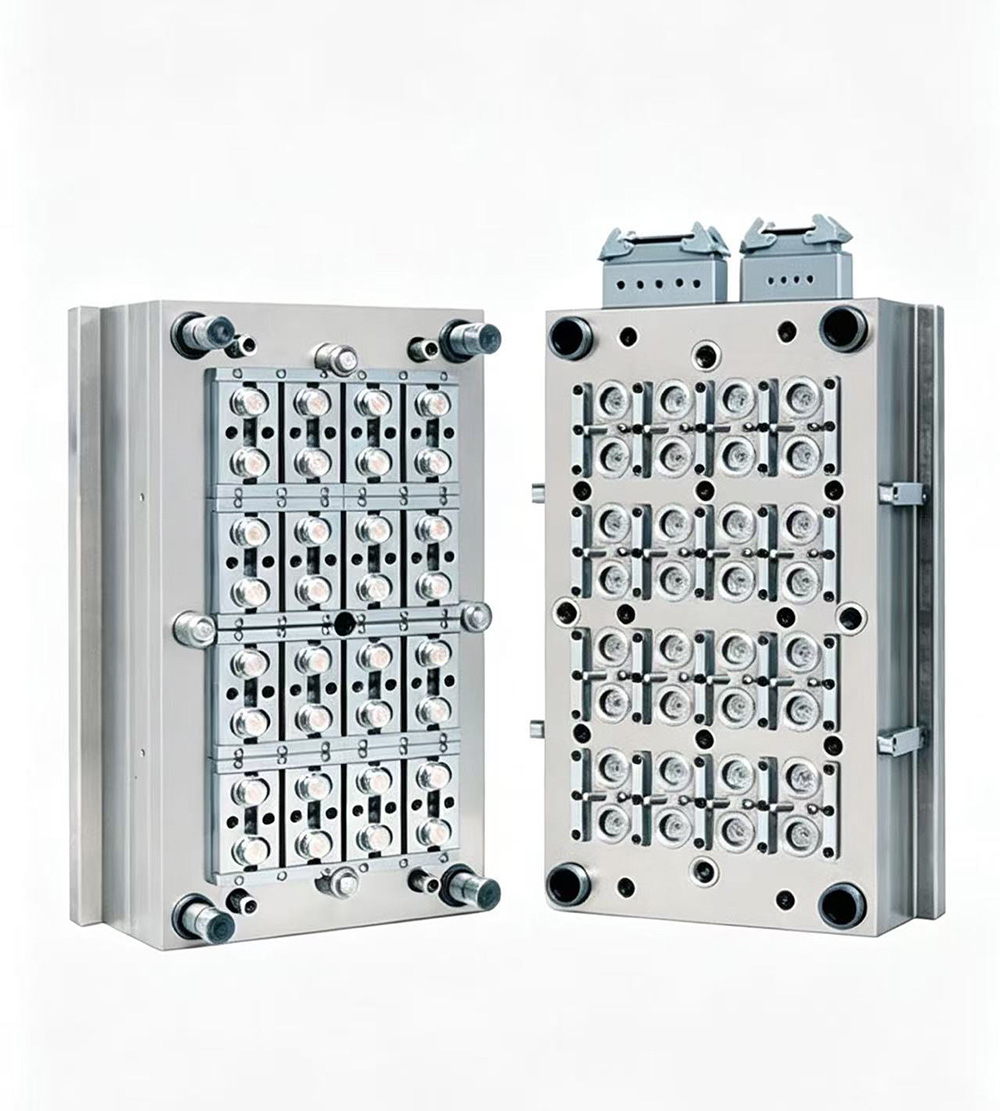
Yet achieving consistent cap color across multi-cavity molds is surprisingly challenging. Each cavity is a separate flow path. Each nozzle has its own temperature profile. Each position in the mold experiences different thermal and flow conditions.
At Shuanghao, we have developed comprehensive strategies for achieving consistent cap color across multi-cavity molds. This article reveals those strategies, from material handling to process control to mold design.
Why Color Variation Occurs
Before discussing solutions, it is essential to understand why color variation happens in multi-cavity molds.
Material-Related Causes
Inconsistent masterbatch dosing is when the ratio of natural resin to color concentrate varies from shot to shot. Poor pigment dispersion occurs when color concentrate does not fully mix with the base resin. Material degradation happens when overheating causes the polymer or pigments to break down. Moisture in the material can cause splay that appears as color variation. Batch-to-batch variation in masterbatch or natural resin affects final color.
Process-Related Causes
Melt temperature variation between cycles or between cavities affects how pigments flow and disperse. Injection speed variation changes shear heating, which affects color development. Back pressure variation affects mixing quality. Screw speed variation affects residence time and mixing. Cooling variation can affect surface appearance, which influences perceived color.
Mold-Related Causes
Cavity-to-cavity temperature variation occurs when some cavities run hotter or cooler than others. Flow path differences cause some cavities to fill faster or slower. Gate size variation creates different shear conditions. Venting differences affect surface appearance. Surface finish variation changes how light reflects from the cap.
Material Handling for Color Consistency
Consistent color begins with consistent material preparation.
Masterbatch Dosing
Accurate masterbatch dosing is essential. Shuanghao recommends gravimetric dosing systems that measure material by weight rather than volume. These systems maintain dosing accuracy of plus or minus 0.1 to 0.2 percent. Volumetric dosers are less accurate and more susceptible to variation. Regular calibration of dosing equipment prevents drift over time.
Let-down ratio selection also affects consistency. Lower let-down ratios, such as 1 to 2 percent masterbatch, require very precise dosing. Higher let-down ratios, such as 3 to 5 percent masterbatch, are more forgiving. However, higher ratios increase material cost.
Pigment Dispersion
Proper dispersion ensures that color particles are evenly distributed throughout the melt. Shuanghao recommends masterbatch with good dispersion quality, verified by supplier testing. Filter mesh size of 150 to 300 microns removes undispersed pigment agglomerates. Screw design with mixing sections improves dispersion.
Material Drying
Moisture causes splay and surface defects that appear as color variation. PET caps require drying to below 50 parts per million moisture. Shuanghao recommends desiccant dryers with dew point of minus 40 degrees Celsius or lower. Drying temperature and time should follow masterbatch supplier recommendations.
Batch Control
Consistent color requires consistent materials. Shuanghao recommends purchasing natural resin and masterbatch in lot quantities sufficient for full production runs. Maintaining material traceability links finished caps to specific material lots. Qualifying new material lots before production use prevents surprises.
Process Control for Color Consistency
Proper process settings are essential for uniform color.
Melt Temperature Control
Melt temperature affects both pigment dispersion and polymer degradation. Shuanghao recommends setting barrel temperatures within the masterbatch supplier's specified range. Measuring actual melt temperature with a pyrometer verifies setpoint accuracy. Maintaining melt temperature within plus or minus 5 degrees Celsius provides stable color development.
Different pigments have different temperature sensitivities. Titanium dioxide for white caps is very stable. Carbon black for black caps is also stable. Organic pigments for bright colors are more temperature sensitive. Metallic and specialty pigments require careful temperature control.
Injection Speed and Shear
Shear heating affects melt temperature and pigment dispersion. Shuanghao recommends injection speeds that fill cavities completely without excessive shear. Faster injection speeds create more shear heating, which can darken some pigments. Slower injection speeds reduce shear heating but may cause flow marks. The optimal speed balances fill quality and color development.
Back Pressure and Screw Speed
Back pressure and screw speed affect mixing quality. Shuanghao recommends back pressure of 10 to 20 bar for most cap applications. Higher back pressure improves mixing but increases melt temperature. Screw speed of 50 to 80 RPM typically provides adequate mixing without excessive shear.
Shot Size and Residence Time
Residence time affects material degradation risk. Shuanghao recommends shot sizes between 40 and 70 percent of machine capacity. Very small shots relative to machine size cause long residence times. Long residence times can degrade both polymer and pigments. Very large shots may reduce mixing effectiveness.
Mold Design for Color Consistency
Mold design significantly affects cavity-to-cavity color consistency.
Balanced Runner Systems
Unbalanced flow creates different shear histories for different cavities. Shuanghao's hot runner systems feature geometrically balanced flow channels that ensure equal melt travel distance to every cavity. This provides identical shear and thermal exposure for all cavities.
Individual nozzle temperature control allows fine-tuning to compensate for minor variations. Valve gate technology provides consistent filling regardless of cavity position.
Cavity-to-Cavity Temperature Control
Uneven cavity temperature creates color variation. Shuanghao's conformal cooling channels follow cavity contours for uniform heat extraction. Independent cooling circuits allow zone-specific temperature control. Temperature sensors in each cavity or cavity group verify uniformity.
Surface Finish Consistency
Surface finish affects how light reflects from the cap, influencing perceived color. Shuanghao maintains consistent cavity surface finish across all cavities. All cavities are polished or textured to identical specifications. Cavity-to-cavity surface finish variation is held within Ra 0.05 micrometers.
Gate Design
Gate geometry affects shear heating and fill pattern. Shuanghao uses identical gate dimensions across all cavities. Gate size, shape, and location are consistent cavity to cavity. Gate surface finish is polished to identical specifications.
Measuring and Monitoring Color
You cannot control what you do not measure.
Color Measurement Equipment
Shuanghao recommends spectrophotometers for objective color measurement. These devices measure color in L*a*b* color space, providing numerical values for lightness, red-green, and yellow-blue components. Handheld units are suitable for production floor use. Benchtop units provide higher accuracy for qualification.
Measurement Conditions
Consistent measurement conditions are essential. Shuanghao recommends standardizing measurement geometry, typically 45-degree illumination and 0-degree viewing. Specifying light source, typically D65 for daylight simulation. Including specular component or excluding it based on application. Measuring at the same location on each cap.
Acceptance Criteria
Color tolerances should be based on visual perception and customer requirements. Delta E of less than 1.0 is generally not perceptible to most observers. Delta E of 1.0 to 2.0 is perceptible only under controlled lighting. Delta E of 2.0 to 3.0 is noticeable but may be acceptable for some applications. Delta E above 3.0 is clearly visible and generally unacceptable.
Cavity-to-Cavity Monitoring
Shuanghao recommends measuring color from each cavity at regular intervals. Statistical process control charts track color values over time. Trends indicate developing problems before they produce visible defects. Cavities that consistently fall outside tolerance should be investigated.
Troubleshooting Color Variation
Problem: Cavity-to-Cavity Variation
Variation between specific cavities indicates mold-related issues. Solutions include checking temperature sensors and controllers for the affected cavities, inspecting hot runner nozzles for damage or blockage, verifying gate dimensions and condition, and checking cavity surface finish and venting.
Problem: Cycle-to-Cycle Variation
Variation from cycle to cycle indicates process or material issues. Solutions include verifying masterbatch dosing accuracy, checking barrel temperatures for stability, confirming screw recovery time consistency, and inspecting for material contamination or moisture.
Problem: Batch-to-Batch Variation
Variation between material lots indicates raw material issues. Solutions include requalifying new masterbatch lots before production, verifying natural resin consistency, checking for formulation changes from suppliers, and adjusting dosing or processing for new lots.
Problem: Start-Up vs. Steady-State Variation
Variation between start-up and steady-state production indicates thermal stabilization issues. Solutions include allowing adequate warm-up time before accepting production, verifying mold temperature stability, checking hot runner temperature stabilization, and using start-up scrap procedures.
Real-World Results: Shuanghao Customers
Customer Case: Major Beverage Company
A major beverage company was experiencing noticeable color variation between cavities on their 48-cavity cap molds. Caps from some cavities were visibly lighter than others, leading to customer complaints and rejected batches.
Shuanghao conducted a comprehensive color audit, including cavity-to-cavity temperature mapping, flow balance verification, and spectrophotometer measurement of caps from each cavity.
The audit revealed three cavities running 8 to 10 degrees Celsius cooler than the average. Shuanghao modified the cooling circuits to balance temperatures and added individual nozzle temperature control.
Color variation decreased by 80 percent. Delta E between cavities decreased from 2.5 to 0.6. Customer complaints about color variation were eliminated.
Customer Case: Custom Cap Manufacturer
A custom cap manufacturer producing short runs of many colors struggled with color consistency between production runs. Each run required extensive adjustment to match the target color.
Shuanghao provided process optimization recommendations including standardized material handling procedures, documented process parameters for each color, and spectrophotometer-based color measurement.
Changeover time between colors decreased from 90 minutes to 35 minutes. First-pass color acceptance increased from 65 percent to 92 percent. Material waste from rejected color batches decreased by 60 percent.
The Shuanghao Color Consistency Guarantee
Shuanghao supports customers in achieving color consistency through mold design optimized for balanced flow and uniform temperature, process recommendations tailored to specific materials and colors, training for operators on color measurement and control, and troubleshooting support when issues arise.
We guarantee that Shuanghao molds are capable of producing caps with cavity-to-cavity color variation of Delta E less than 1.0 when properly processed with consistent materials.
Conclusion: Color Consistency Is Achievable
Consistent cap color across multi-cavity molds is not a mystery. It is the result of systematic attention to material handling, process control, and mold design.
Shuanghao's approach to color consistency includes accurate masterbatch dosing and proper dispersion, stable melt temperature and injection conditions, balanced runner systems and uniform cavity cooling, objective color measurement and monitoring, and systematic troubleshooting when variation occurs.
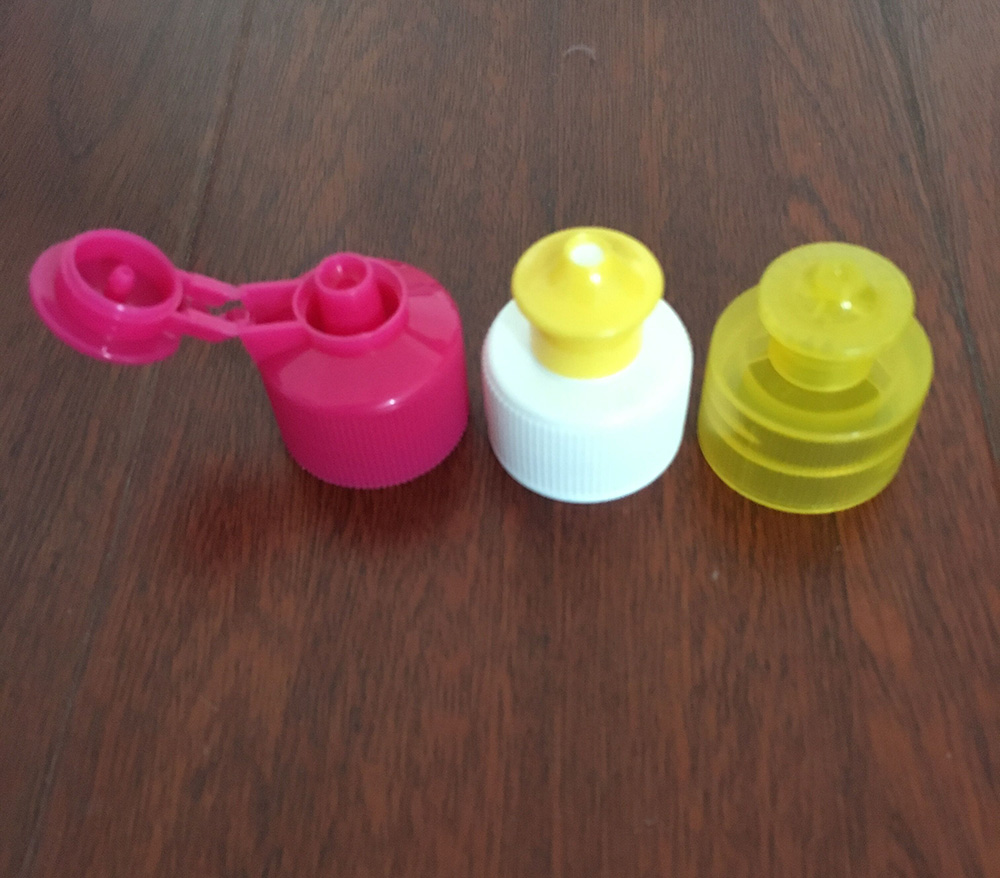
Whether you produce white water bottle caps, black soda caps, or brightly colored sports caps, Shuanghao has the expertise to help you achieve consistent color across every cavity, every cycle.
Choose Shuanghao. Choose color consistency.